
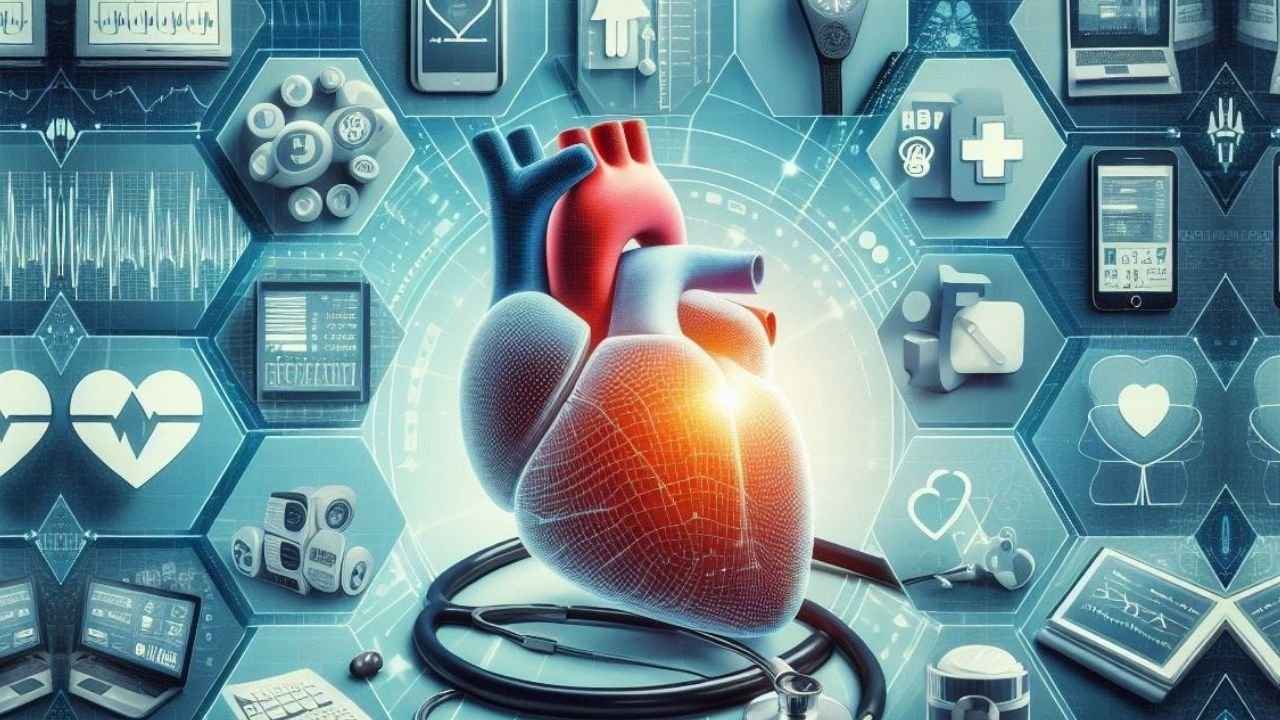
Organ transplantation has long been one of the most remarkable achievements in modern medicine, saving countless lives worldwide. As demand for donor organs continues to exceed supply, researchers and clinicians are turning to innovative technologies to improve transplant outcomes, expand organ availability, and reduce complications. The future of transplant medicine is being reshaped by rapid advances in science, engineering, and biotechnology, offering new hope for patients facing organ failure.
Advances in Organ Preservation and Transportation
One of the maximum promising traits in transplant generation is the improvement of organ preservation strategies. Traditionally, organs are stored in cold conditions to slow cellular damage at some point of transport. However, new technologies together with normothermic machine perfusion permit organs to be saved at near-body temperature at the same time as receiving oxygen and nutrients. This technique no longer most effective preserves organs for longer durations but additionally enables medical doctors to assess and even restore organs earlier than transplantation.
These innovations should significantly boom the range of usable organs, mainly those previously taken into consideration marginal or excessive-threat. Improved renovation moreover makes long-distance organ sharing more viable, growing access for sufferers in some distance off or underserved regions.
Artificial Organs and Bioengineering
The improvement of synthetic organs represents a transformative frontier in transplant remedy. Mechanical gadgets, together with artificial hearts and ventricular assist devices, are already supporting sufferers on the same time as they count on transplants. In the destiny, completely useful synthetic organs may also cast off the need for donor organs altogether.
Bioengineering and 3D bioprinting are also beginning new possibilities. Scientists are running to print tissues and organs the use of a patient’s very own cells, lowering the threat of rejection. While complicated organs like the liver or kidney are nonetheless in experimental ranges, development in printing less difficult tissues indicates that customized, lab-grown organs can also end up a reality within the coming a long time.
Gene Editing and Immune System Modulation
Rejection remains one of the best challenges in organ transplantation. Future innovations aim to deal with this through gene modifying technology, which include CRISPR, that may adjust donor organs to lead them to more well matched with recipients. These genetic modifications could reduce the immune reaction that results in organ rejection.
At the same time, advances in immunology are leading to more specific and targeted immunosuppressive therapies. Rather than suppressing the whole immune gadget, future tablets may also selectively block specific pathways concerned in rejection. This might lower the hazard of infections and long-term side effects, enhancing patients’ excellent of life after transplantation.
Xenotransplantation and Alternative Donor Sources
Another rising fashion is xenotransplantation, the transplantation of organs from animals into humans. Genetically changed pigs are presently the maximum promising candidates, as their organs are comparable in length and characteristic to human organs. Recent experimental successes recommend that xenotransplantation could one day offer a dependable opportunity to human donors.
While moral, immunological, and protection worries continue to be, ongoing studies targets to triumph over these limitations. If a hit, xenotransplantation may want to dramatically lessen waiting times and save countless lives.
Digital Health and Artificial Intelligence
Digital technologies are also shaping the destiny of transplantation. Artificial intelligence (AI) and huge data analytics are being used to enhance donor-recipient matching, expect transplant effects, and optimize post-transplant care. Wearable gadgets and faraway monitoring gear allow healthcare groups to music patients’ health in actual time, permitting early detection of complications.
Telemedicine similarly complements get right of entry to to specialized transplant care, specially for sufferers dwelling some distance from transplant facilities. Together, these tools create a extra personalized and efficient transplant enjoy.
Conclusion
The destiny of transplant generation and innovation holds awesome promise. From advanced organ upkeep and bioengineered tissues to gene editing, xenotransplantation, and AI-pushed care, those traits are redefining what’s viable in transplant medication. While demanding situations related to ethics, value, and accessibility continue to be, persisted studies and collaboration will pave the way for more secure, extra effective, and more equitable transplantation. Ultimately, these innovations deliver us in the direction of a future in which organ failure is not a life-finishing prognosis, however a condition met with solutions, desire, and renewed life.
