
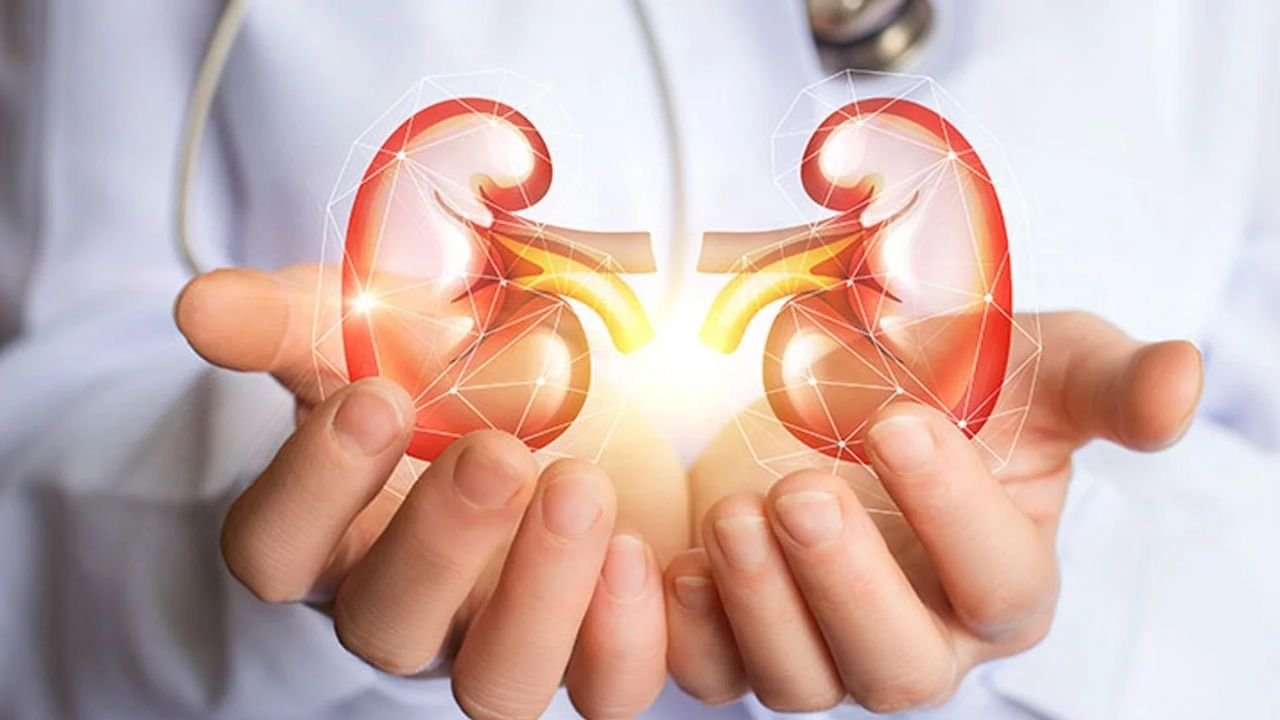
however at the back of each successful transplant is a complicated and thoroughly regulated organ matching technique. This system guarantees that donated organs are allocated fairly and correctly to recipients who want them most. Understanding how organ matching works can assist patients, households, and ability donors higher recognize the science and ethics worried in transplantation.
What Is the Organ Matching Process?
The organ matching manner is the gadget used to suit donated organs with patients anticipating a transplant. Its number one intention is to locate the first-rate viable recipient for every available organ even as maximizing the possibilities of transplant fulfillment and long-term survival.
This technique is guided by science, ethical principles, and national transplant regulations to make certain fairness and transparency.
Key Factors in Organ Matching
Several critical factors are considered when matching an organ to a recipient:
Blood Type Compatibility
Blood type is one of the maximum vital matching criteria. Compatible blood types lessen the danger of immediately rejection and headaches after transplantation.
Tissue Typing and Antigen Matching
Tissue typing examines unique proteins (antigens) on cells, particularly human leukocyte antigens (HLA). A closer in shape between donor and recipient can lower the risk of organ rejection, especially for kidney transplants.
Organ Size and Medical Urgency
The length of the donated organ should be appropriate for the recipient’s body. Additionally, sufferers with the most pressing medical want can also receive priority, relying on the organ kind and country wide recommendations.
Waiting Time
How long a patient has been at the transplant waiting listing is another aspect. While ready time alone does not guarantee precedence, it plays an crucial position in ensuring fairness.
Geographic Location
Organs must be transplanted quickly to remain viable. Therefore, recipients closer to the donor location are often prioritized to reduce transport time and preserve organ quality.
How Technology Supports Matching
Modern transplant systems use advanced databases and algorithms to technique heaps of affected person facts in seconds. When an organ will become to be had, the system generates a ranked listing of capacity recipients based on scientific criteria and ethical guidelines.
This technology allows get rid of bias and guarantees that decisions are pushed by way of scientific want and compatibility in place of personal factors.
Ethics and Fairness in Organ Allocation
Ethical considerations are central to the organ matching process. Allocation systems aim to balance:
- Medical urgency
- Likelihood of transplant success
- Equal access regardless of age, gender, race, or socioeconomic status
Strict oversight and regulations assist hold public consider and ensure organs are distributed responsibly.
Why Organ Matching Matters
Even with advanced matching structures, donated organs are scarce. Each healthy have to be handled with care to avoid rejection, complications, or wasted organs. A a success healthy improves affected person consequences, extends lives, and honors the generosity of donors and their families.
Conclusion
The organ matching process is a complex but essential system that blends medical science, technology, and moral standards. By cautiously considering compatibility, urgency, and equity, this process ensures that donated organs are used within the simplest and lifesaving way viable.
Understanding how organ matching works highlights the importance of organ donation and the tremendous effect it can have. Every donor has the capability to store more than one lives, making cognizance and participation in organ donation greater essential than ever.
