
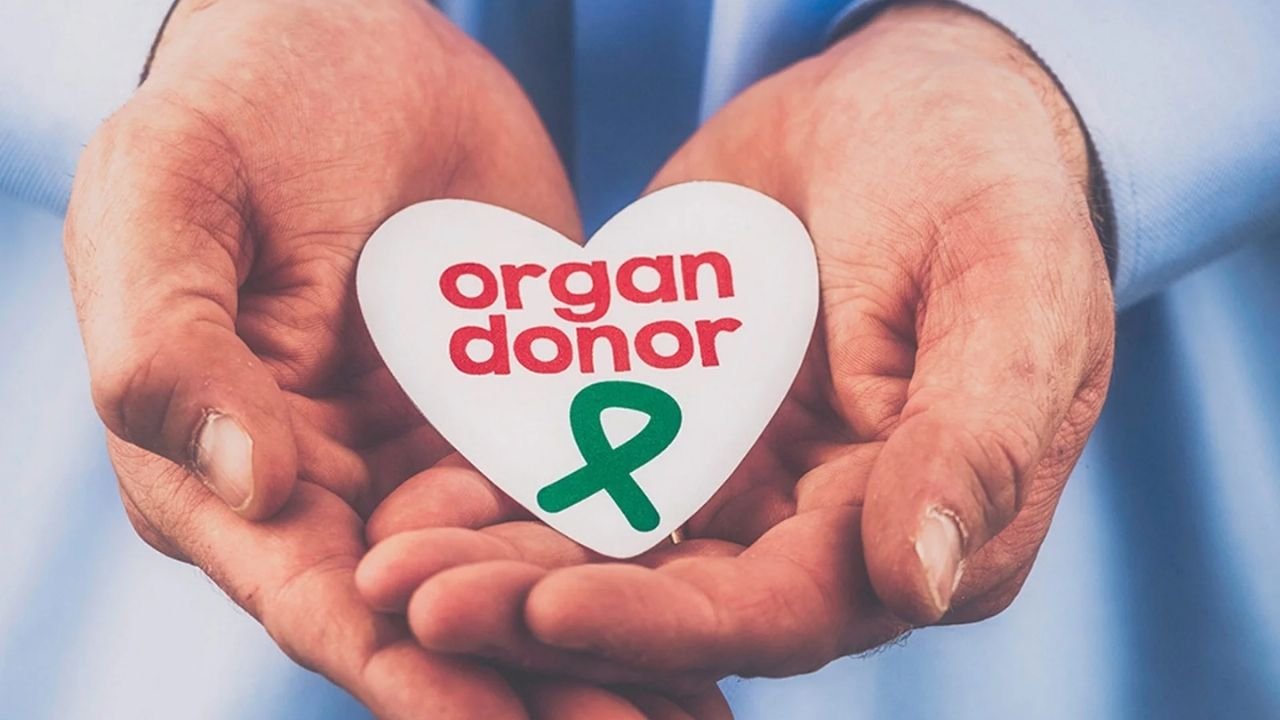
Organ donation saves millions of lives worldwide, but the demand for donor organs keeps to some distance exceed supply. Many countries have diagnosed this venture and followed innovative techniques to boom organ donor registrations. These efforts integrate policy changes, public awareness, education, and trust-building measures to encourage more humans to become donors. Understanding how international locations correctly increase donor registrations offers treasured insights into what works and why.
Opt-In vs Opt-Out Systems
One of the most impactful approaches countries use is converting their felony framework for organ donation. In opt-in systems, individuals need to actively sign in as donors. In contrast, opt-out (presumed consent) structures recall all adults potential donors except they explicitly refuse.
Countries like Spain, France, and Austria have implemented opt-out systems and continually report higher donor quotes. While law by myself isn’t always sufficient, presumed consent allows normalize organ donation as a societal fashionable rather than an exception.
Public Awareness Campaigns
Successful international locations make investments heavily in country wide focus campaigns. These campaigns use tv, social media, colleges, and network occasions to teach the public approximately the blessings of organ donation and deal with not unusual myths. Clear, emotionally resonant messaging—often featuring real donor and recipient tales—helps humans apprehend the life-saving effect of their selection.
Awareness tasks also awareness on explaining how the donation process works, which builds self assurance and decreases worry or misunderstanding.
Education in Schools and Universities
Several countries integrate organ donation education into school curricula. Teaching young people about organ donation early helps normalize the concept and encourages informed decision-making as they become adults. Universities and colleges often host donor registration drives, making it easy for students to sign up while learning about ethical and medical aspects of transplantation.
Easy and Accessible Registration
Making registration simple is a key factor in increasing donor numbers. Many countries allow people to register online, through healthcare portals, or while applying for driver’s licenses and national ID cards. Reducing paperwork and offering multiple registration options removes barriers and increases participation.
Some nations also use mobile apps and digital digital health records to streamline the technique and preserve donor possibilities updated.
Role of Healthcare Professionals
Doctors, nurses, and transplant coordinators play a essential function in donor registration efforts. Countries with high donation quotes invest in training healthcare experts to communicate sensitively with sufferers and families approximately organ donation. Trusted scientific voices can address worries, give an explanation for tactics, and guide households via tough choices at the end of life.
Family Engagement and Consent Practices
Even in countries with presumed consent laws, circle of relatives involvement remains vital. Successful structures emphasize respectful communique with families and encourage people to speak about their donation wishes with cherished ones earlier. When households are privy to a person’s decision, consent costs are appreciably higher.
Cultural and Religious Outreach
Countries with various populations frequently work intently with spiritual and network leaders to deal with cultural issues. By enticing faith leaders and supplying culturally appropriate facts, governments help groups apprehend that organ donation aligns with values of compassion and assisting others.
Transparency and Trust
Public trust is important. Countries that overtly proportion facts on organ allocation, ethical safeguards, and transplant consequences tend to peer better donor participation. Transparency reassures residents that the system is honest, ethical, and centered on saving lives.
Conclusion
Countries increase organ donor registrations through a mixture of clever regulations, schooling, accessibility, and trust-building. Legal frameworks like opt-out systems, sturdy public attention campaigns, clean registration methods, and respectful own family engagement all play crucial roles. When governments, healthcare professionals, and groups paintings together, organ donation becomes a shared social duty—in the long run saving extra lives and giving desire to those waiting for a second chance at life.
