
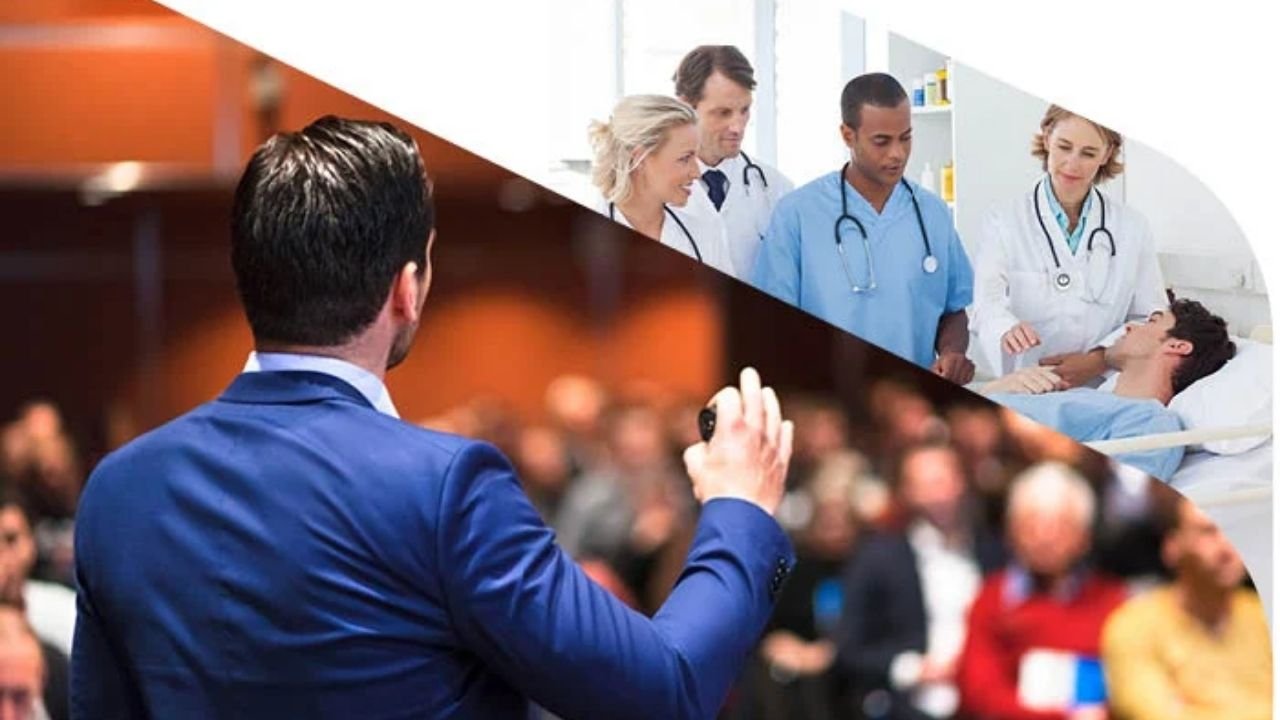
The Saudi Center for Organ Transplantation (SCOT) Meeting 2025—held as part of the Saudi Transplant Congress in Riyadh—introduced collectively major specialists in transplantation medicine to address current challenges, share breakthroughs, and form the destiny of donor care and transplant exercising. With a packed agenda of keynotes, plenary training, and workshops, the meeting offered valuable insights for clinicians, researchers, and healthcare experts alike. Here are the pinnacle five presentations you should watch from this landmark event.
1. Innovating for Impact: Global Perspectives on Transplant Innovation
Presented early within the congress, this keynote targeted at the future panorama of transplant innovation and the possibilities available through international collaboration. Led by way of globally identified leaders in organ sharing and transplant systems, this consultation set the tone for the meeting by means of highlighting how facts, policy, and technology can work together to modernize organ donation infrastructure worldwide.
2. Enhancing Organ Viability: Machine Perfusion and Preservation Advances
One standout plenary consultation explored organ transportation and renovation technologies, mainly device perfusion, and its effect on transplant effects. Discussions included present day practices, challenges, and destiny instructions, emphasizing how stepped forward upkeep can amplify the usable donor pool and enhance the success of organs recovered from prolonged standards donors.
3. Revolutionizing Organ Transplantation with Robotic Surgery
This forward-looking keynote showcased the growing position of robotic and minimally invasive surgical techniques in transplantation. Experts shared real-international effects and discussed how robotics should enhance precision, lessen complications, and decorate recovery times for sufferers present process complicated transplant approaches.
4. Enhancing Governance: Big Data and AI in Transplant Allocation
A surprisingly anticipated plenary session focused on how big information, registries, and artificial intelligence (AI) are transforming organ allocation and transplant results. Presentations from main figures in transplant informatics highlighted actual case research and predictive fashions that enhance patient matching, reduce rejection chance, and assist greater equitable distribution of organs.
5. Pediatric Transplantation: Overcoming Barriers and Expanding Practice
Pediatric transplantation poses specific challenges, from length-associated problems and immunological boundaries to donor availability. This consultation added collectively experts in pediatric transplant medicine to discuss techniques like ABO-incompatible transplantation, desensitization strategies, and other improvements that goal to improve get right of entry to and results for young sufferers in need of organ transplants.
Why These Presentations Matter
Each of those highlighted presentations addresses a vital dimension of current transplant medicinal drug:
- Innovation and collaboration—connecting international leaders to share excellent practices.
- Technology and precision—from organ upkeep to robot surgical treatment.
- Data-driven decision-making—the usage of analytics and AI to optimize effects.
- Specialized care—specializing in susceptible populations consisting of pediatric patients.
Together, they mirror the complexity of modern transplantation medicine and show off how multidisciplinary efforts are pushing the field forward. These displays now not most effective offer clinical insights however also impact policy, education, and future research priorities.
Conclusion
The SCOT Meeting 2025 supplied a rich program of presentations that mirror the cutting fringe of organ donation and transplant medicinal drug. From AI in clinical decision-making to advanced surgical techniques and pediatric care innovations, these top five sessions offer a comprehensive examine where the sector is heading. For clinicians, researchers, and coverage-makers alike, looking or reviewing those displays can spark new ideas, encourage collaboration, and contribute to progressed transplant results global. Whether you are without delay involved in transplant work or actually interested by the future of clinical innovation, those classes provide valuable training and a hopeful take a look at what’s next in saving lives thru transplantation.
