
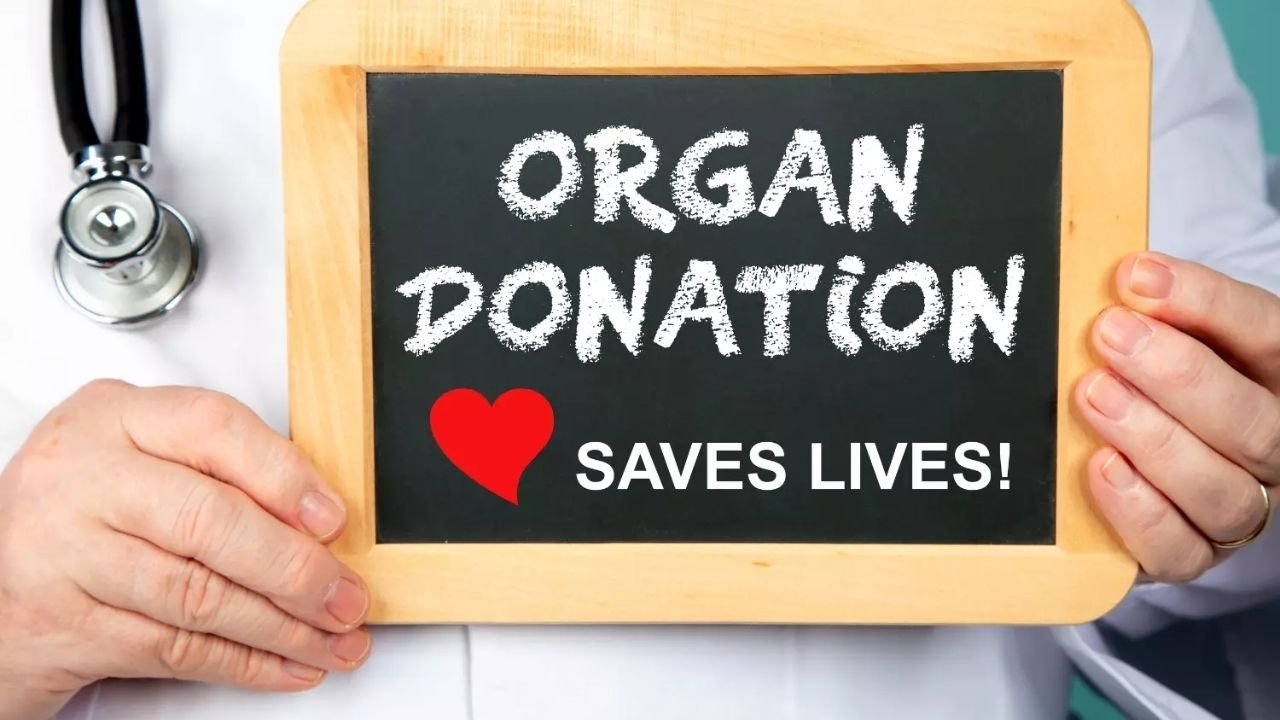
Organ donation is one of the most powerful humanitarian acts in modern medicine. It gives a lifeline to tens of millions of people affected by organ failure and offers desire wherein few medical options remain. Across the arena, organ donation has converted deadly ailments into treatable situations, extending existence and improving its nice. By knowledge how organ donation works and its worldwide impact, we will higher recognize its critical position in saving lives.
The Global Need for Organ Donation
Every year, tens of millions of people worldwide are identified with organ failure caused by situations along with heart disease, diabetes, liver disorder, and genetic disorders. For many patients, transplantation is the most effective effective treatment. However, the number of available organs is some distance lower than the quantity of individuals who need them. This shortage is a global challenge, affecting both developed and developing countries.
In wealthier countries, superior healthcare structures permit more transplants to be performed, yet ready lists continue to be long. In lower-income regions, restrained clinical infrastructure and lack of know-how in addition limit access to transplantation. Despite these disparities, organ donation maintains to save lives wherever it’s miles practiced, making it a critical global health problem.
How Organ Donation Works
Organ donation entails the elimination of healthy organs or tissues from a donor and transplanting them into recipients whose organs have failed. Donors may be dwelling those who donate a kidney or a part of their liver, or deceased people whose organs are donated after loss of life with consent.
Organs are cautiously matched to recipients primarily based on blood type, tissue compatibility, medical urgency, and other elements. This matching system increases the possibilities of transplant achievement and long-term survival. A single donor can save or improve the lives of a couple of people by donating numerous organs and tissues.
Lives Transformed Through Transplantation
The effect of organ donation is life-changing. Kidney transplants loose patients from lifelong dialysis, allowing them to go back to work and circle of relatives lifestyles. Heart and lung transplants provide people with extreme cardiac or respiration disease the risk to respire freely and stay actively again. Liver transplants can rescue sufferers from irreversible liver failure, at the same time as corneal transplants repair sight to folks who have been as soon as blind.
Beyond bodily survival, organ donation moreover restores dignity, independence, and emotional well-being. Recipients regularly describe transplantation as receiving a second threat at lifestyles, allowing them to make contributions to society and guide their families.
The Ripple Effect on Families and Communities
Organ donation saves extra than individual lives—it strengthens families and communities. When someone receives a transplant, their cherished ones are spared the emotional and economic strain of extended infection. Families can resume regular workouts, and groups gain whilst people return to effective roles at paintings and in social life.
For donor households, the act of donation can provide comfort and meaning for the duration of a time of loss. Knowing that their cherished one helped save others can deliver a experience of reason and legacy, turning tragedy into desire.
Global Challenges and Progress
Despite its benefits, organ donation faces significant challenges worldwide. Cultural ideals, spiritual misconceptions, lack of know-how, and mistrust of healthcare systems frequently prevent people from becoming donors. Additionally, illegal organ trafficking remains a serious issue in a few regions, highlighting the need for moral, obvious systems.
Many nations are operating to triumph over these obstacles via public schooling campaigns, stepped forward felony frameworks, and international cooperation. Advances in medical technology, consisting of better organ upkeep and transplant strategies, also are growing achievement rates and extending access.
Conclusion
Organ donation saves lives across the area by turning loss into wish and infection into opportunity. It bridges the gap between existence-threatening sickness and renewed fitness, imparting tens of thousands and thousands a danger to live longer, healthier lives. While demanding situations stay, persevered recognition, ethical practices, and global cooperation can extend the acquire of organ donation. Ultimately, organ donation is a shared human responsibility—one which demonstrates compassion, generosity, and the profound potential of one life to transform many others.
