
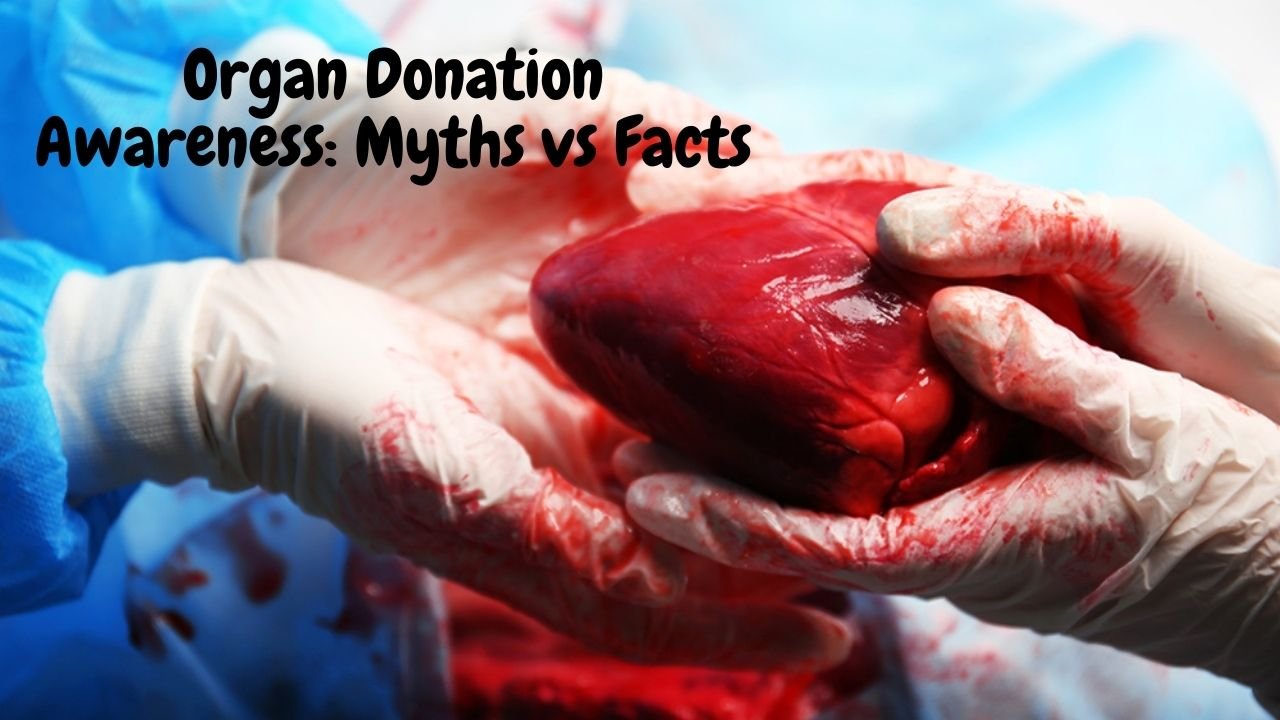
Organ donation is one of the most effective strategies to keep lives, but many humans hesitate to test in as donors because of misunderstandings and myths. These misconceptions regularly create fear and confusion, stopping humans from making informed choices. By separating myths from data, we’re capable of assemble recognition, growth donor registration, and assist more patients accumulate life-saving transplants.
Myth 1: Doctors Won’t Try to Save My Life if I’m a Donor
Fact: This is one of the most commonplace myths, and it’s far honestly fake. Doctors and medical groups commonly prioritize saving a affected person’s lifestyles. The medical experts liable for treatment are totally become independent from transplant agencies. Organ donation is handiest considered after all life-saving efforts have failed and dying has been legally declared.
Myth 2: I’m Too Old or Too Sick to Be a Donor
Fact: There isn’t any strict age restriction for organ donation. People of every age and plenty of medical conditions can still be donors. The suitability of organs is determined at the time of death based on medical evaluation, now not age on my own. Even individuals with certain health situations may be able to donate tissues or corneas.
Myth 3: Organ Donation Goes Against Religious Beliefs
Fact: Most primary religions help organ donation and keep in mind it an act of compassion and generosity. Many faith leaders encourage donation as a manner to shop lives and help others. If people have worries, they may be encouraged to speak with religious leaders to better understand their faith’s perspective.
Myth 4: My Body Will Be Disfigured
Fact: Organ donation does now not disfigure the frame. Donors are dealt with with admire and dignity, and surgical incisions are carefully closed. Families can still have open-casket funerals if they pick. Organ donation does now not intervene with traditional funeral preparations.
Myth 5: Only the Rich or Famous Get Transplants
Fact: Organ allocation is based on medical urgency, compatibility, waiting time, and location—no longer wealth, race, or social popularity. Strict regulations and obvious structures make sure equity in the distribution of donated organs.
Myth 6: My Family Will Have to Pay for Organ Donation
Fact: Families of donors aren’t charged for organ donation. All charges associated with organ recovery are protected by way of the transplant machine. Families are only accountable for preferred stop-of-existence or funeral expenses.
Myth 7: Living Donation Is Extremely Dangerous
Fact: While all surgical procedures convey some risk, residing organ donation is carefully regulated and monitored. Donors go through thorough medical evaluations to ensure their protection. Most residing donors get better completely and go on to stay healthy, regular lives.
Why Awareness Matters
Organ donation cognizance helps shop lives by means of encouraging knowledgeable selections. One donor can keep up to eight lives thru organ donation and improve many greater via tissue donation. By dispelling myths, groups can increase donor registrations and decrease transplant ready lists.
Conclusion
Myths and incorrect information continue to save you many humans from turning into organ donors. Understanding the data empowers people to make confident, compassionate choices. Organ donation is safe, moral, and supported with the aid of medical specialists and maximum religions international. By spreading recognition and teaching others, we are able to help transform lives, offer wish to the ones watching for transplants, and create a culture of generosity and believe around organ donation.
