
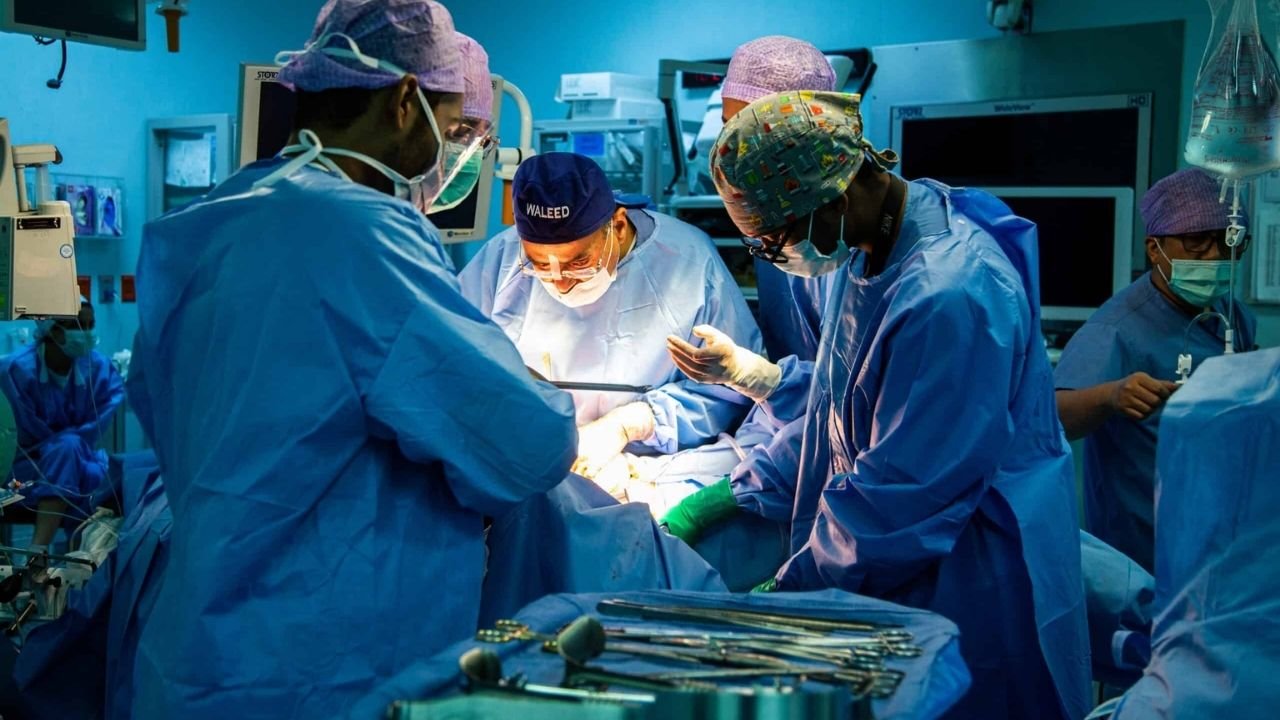
Riyadh’s Organ Transplant Conference delivered collectively main surgeons, physicians, researchers, policymakers, and healthcare leaders to discuss the evolving panorama of organ donation and transplantation. Over numerous days of scientific sessions, panel discussions, and workshops, the conference supplied valuable insights into innovation, ethics, and collaboration in transplant medicine. The key classes highlighted both the progress made and the demanding situations that also lie ahead.
Innovation Is Reshaping Transplant Medicine
One of the strongest takeaways from the conference changed into how swiftly innovation is transforming transplantation. Experts showcased advances in synthetic intelligence, big statistics analytics, and digital health systems that are improving donor-recipient matching and predicting transplant consequences. These gear permit clinicians to make extra informed decisions, reduce rejection dangers, and customize put up-transplant care.
Equally vital have been discussions on contemporary organ renovation strategies, which includes gadget perfusion, which hold organs functioning out of doors the body for longer durations. This technology increases the range of usable organs and improves transplant success rates.
Addressing the Global Organ Shortage
The ongoing shortage of donor organs remained a significant theme. Speakers emphasized that no single solution exists; rather, success relies upon on coordinated efforts throughout coverage, healthcare systems, and groups. Public cognizance campaigns, simplified donor registration methods, and trained transplant coordinators have been recognized as important factors in increasing donation charges.
Several sessions highlighted the significance of circle of relatives conversations and culturally touchy conversation. When individuals speak their donation needs in advance, families are more confident in honoring the ones decisions at some stage in crucial moments.
Ethics and Trust Are Foundational
Ethical concerns were woven during the conference discussions. Topics which includes informed consent, equitable organ allocation, and prevention of organ trafficking strengthened the need for sturdy ethical frameworks. Speakers confused that public agree with is the spine of any a success transplant device.
Transparency in allocation regulations and clean separation between patient care and donation choices had been emphasised as ways to keep self belief amongst patients and the wider community.
The Growing Role of Technology and Data
Technology became no longer most effective discussed as a medical tool however also as a system-wider enabler. National registries, real-time analytics sharing, and AI-driven analytics are helping healthcare structures better manipulate waiting lists and enhance coordination among hospitals.
However, experts additionally highlighted the obligation that incorporates technology. Data privacy, set of rules bias, and ethical oversight need to be addressed to make certain these gear are used pretty and appropriately.
Focus on Education and Workforce Development
Another key gaining knowledge of changed into the importance of education at every stage. Continuous training for healthcare experts guarantees best practices in donor identification, family counseling, and put up-transplant care. Sessions additionally emphasized engaging clinical college students and young specialists early, inspiring them to pursue careers in transplant medication.
Public education was similarly prioritized, with audio system calling for long-term consciousness techniques rather than one-time campaigns.
Collaboration Drives Progress
Perhaps the most inspiring lesson from Riyadh’s Organ Transplant Conference changed into the power of collaboration. International speakers shared experiences from extraordinary healthcare structures, demonstrating how shared information hastens improvement. Partnerships between governments, hospitals, studies establishments, and community businesses had been time and again highlighted as vital to advancing transplant care.
Patient-Centered Care Remains the Core
Despite the focus on generation and systems, the convention constantly returned to one central message: transplantation is set people. Patient stories and final outcome-centered discussions reminded attendees that each innovation in the long run targets to enhance quality of life and survival for patients and households.
Conclusion
Riyadh’s Organ Transplant Conference provided a complete have a look at in which transplant remedy stands these days and in which it’s far headed. We learned that innovation, ethics, training, and collaboration have to work together to address organ shortages and improve outcomes. Above all, the convention strengthened that accept as true with, compassion, and affected patient-centered care remain at the coronary heart of transplantation. As these classes are carried ahead, they’ll assist form a more powerful and humane destiny for organ donation and transplant medicine worldwide.
